Tag: Nursing College in Etawah

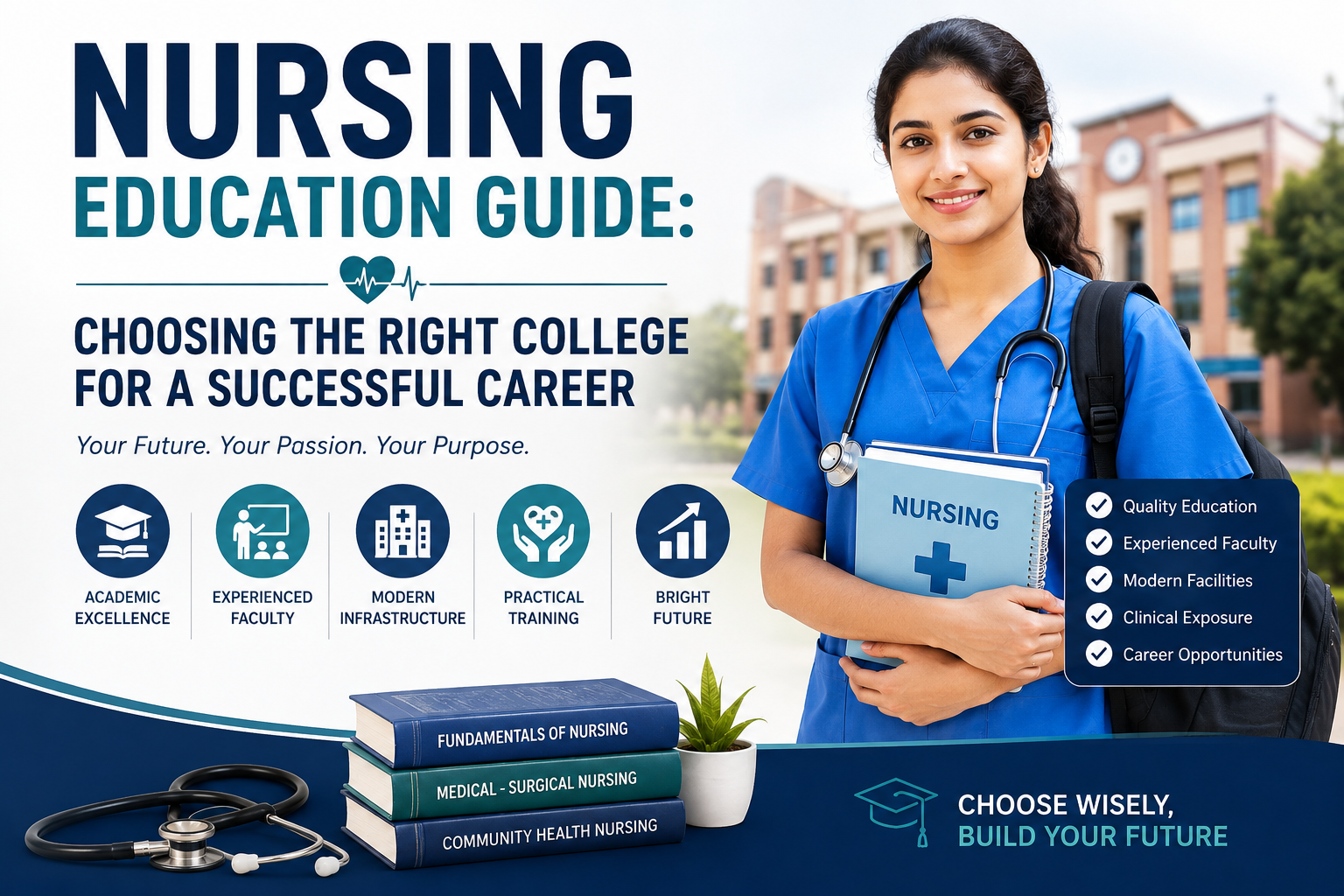
  • Nursing Education Guide: Choosing the Right College for a Successful Career

    Nursing Education Guide: Choosing the Right College for a Successful Career

    Nursing is one of the most respected and rewarding healthcare professions. Nurses play a vital role in patient care, disease prevention, health education, rehabilitation, and overall healthcare delivery. With the growing demand for qualified healthcare professionals, nursing has become an attractive career option for students who want to build a meaningful and stable professional future.

    However, choosing the right nursing college is an important decision. The quality of education, clinical exposure, faculty, infrastructure, practical training, and learning environment can significantly influence a student’s skills and career opportunities. For students and parents looking for the Best Nursing College For Girls Etawah, it is important to evaluate different factors before selecting an institution.

    This guide explains the major aspects students should consider when choosing a nursing college for a successful career.

    Understanding Nursing Education

    Nursing education combines theoretical knowledge with practical and clinical training. Students learn about human anatomy, physiology, pharmacology, medical-surgical nursing, community health nursing, nutrition, psychology, and other healthcare-related subjects.

    Unlike many academic programmes, nursing requires students to develop practical skills alongside classroom knowledge. Students need to learn how to communicate with patients, administer appropriate care, understand medical procedures, maintain records, and work effectively with doctors and other healthcare professionals.

    Therefore, selecting a college that provides both strong academic education and sufficient practical exposure is essential.

    1. Check the Nursing Course and Curriculum

    The first step is to understand which nursing programme you want to pursue. Depending on eligibility and career goals, students may consider programmes such as Auxiliary Nurse Midwifery (ANM), General Nursing and Midwifery (GNM), or Bachelor of Science in Nursing (B.Sc. Nursing).

    Before admission, check:

    • Course duration
    • Eligibility requirements
    • Curriculum and subjects
    • Practical training requirements
    • Examination pattern
    • Internship or clinical training
    • Recognition and affiliation

    A well-structured curriculum helps students develop the theoretical foundation and practical skills required for professional nursing.

    2. Evaluate Faculty Qualifications and Experience

    Teachers have a major influence on nursing students’ academic and professional development. Experienced faculty members can explain complex medical concepts clearly and help students understand how theoretical knowledge is applied in real healthcare situations.

    While selecting a nursing college, students should consider whether the institution has qualified and experienced faculty members across important nursing subjects.

    Good teachers should also encourage students to ask questions, participate in discussions, develop clinical skills, and maintain professional standards.

    3. Look for Strong Clinical Training

    Clinical exposure is one of the most important components of nursing education. Students need opportunities to interact with patients and understand how healthcare services operate in real-world settings.

    A good nursing college should provide practical exposure through hospitals, healthcare centres, laboratories, community health programmes, and other appropriate clinical settings.

    Clinical training can help students develop skills such as:

    • Patient assessment
    • Basic nursing procedures
    • Patient communication
    • Medication-related responsibilities
    • Maintaining patient records
    • Infection-control practices
    • Emergency-care awareness
    • Teamwork with healthcare professionals

    Students should therefore ask about the college’s clinical training arrangements before taking admission.

    4. Examine Laboratories and Practical Facilities

    Nursing is a practical profession, so laboratory facilities are important. Well-equipped laboratories allow students to practise procedures and develop confidence before working directly with patients.

    Depending on the programme, students may require access to facilities such as nursing laboratories, anatomy and physiology laboratories, computer facilities, libraries, demonstration rooms, and other learning resources.

    When visiting a potential college, students should observe whether the facilities are properly maintained and whether students receive sufficient opportunities to use them.

    5. Consider the College’s Learning Environment

    The overall environment of a nursing college can influence a student’s educational experience. A supportive and disciplined environment can help students develop professional behaviour, confidence, communication skills, and responsibility.

    For girls especially, parents and students may wish to evaluate factors such as campus safety, hostel arrangements, transportation, hygiene, student support, and general discipline.

    A positive learning environment should encourage students to focus on their education while providing appropriate support whenever they face academic or personal challenges.

    6. Give Importance to Safety and Security

    Safety should be a key consideration when selecting a nursing college for girls. Students may spend long hours attending classes, practical sessions, and clinical training, making a secure environment particularly important.

    Parents can ask about:

    • Campus security
    • Entry and exit procedures
    • Hostel security
    • Transportation arrangements
    • Emergency facilities
    • CCTV or other security measures
    • Staff supervision

    The goal should be to choose an institution where students can pursue their education in a safe and comfortable environment.

    7. Check Hostel and Accommodation Facilities

    Students coming from outside the city may require hostel accommodation. A college with appropriate hostel facilities can make the transition to higher education easier.

    Before selecting a hostel, students should check room arrangements, cleanliness, food facilities, security, study areas, recreational facilities, medical support, and rules for residents.

    Parents should also understand the hostel’s supervision system and emergency procedures.

    8. Explore Library and Digital Learning Resources

    Nursing students need access to reliable academic resources throughout their course. A good library should provide nursing textbooks, reference books, medical journals, educational materials, and other relevant resources.

    Digital learning facilities can further support students by providing access to online educational content, presentations, research resources, and interactive learning materials.

    A strong academic resource system encourages students to study beyond classroom notes and develop independent learning habits.

    9. Consider Practical and Soft-Skill Development

    A successful nurse needs more than technical knowledge. Communication, empathy, teamwork, patience, critical thinking, and decision-making are equally important.

    The right college should encourage students to develop professional communication and interpersonal skills. Activities such as seminars, workshops, presentations, group discussions, community programmes, and practical demonstrations can contribute to overall development.

    These skills can also help students perform better during interviews and adapt to professional healthcare environments.

    10. Research Career Opportunities

    Before taking admission, students should understand the career opportunities associated with their chosen nursing programme.

    Qualified nursing professionals may find opportunities in areas such as:

    • Government hospitals
    • Private hospitals
    • Clinics
    • Community health centres
    • Nursing homes
    • Educational institutions
    • Healthcare organisations
    • Public health programmes
    • Home healthcare services
    • Research and healthcare administration

    With experience and further education, nursing professionals can also explore specialised areas and higher-level responsibilities.

    11. Understand Higher Education Options

    Nursing education does not necessarily end with the first qualification. Students who want to advance their careers can explore higher education and specialised training according to their eligibility and professional goals.

    Further education can help nurses strengthen their knowledge, specialise in particular areas, pursue teaching or administrative roles, or prepare for advanced professional opportunities.

    Therefore, students should consider whether their chosen college provides guidance about further studies and career development.

    12. Compare Fees and Overall Expenses

    Fees are another practical factor that families should consider. Instead of looking only at tuition fees, calculate the complete cost of education.

    This may include:

    • Tuition fees
    • Examination fees
    • Hostel charges
    • Transportation
    • Uniforms
    • Books and study materials
    • Laboratory-related expenses
    • Other institutional charges

    Students should also ask whether scholarships, financial assistance, or other support options are available.

    13. Check Recognition and Affiliation

    Before taking admission, verify the institution’s recognition, affiliation, approvals, and the validity of the specific nursing programme. These details are important because professional education should meet applicable regulatory and academic requirements.

    Students should rely on official institutional information and relevant regulatory authorities rather than making decisions based only on advertisements.

    14. Visit the College Personally

    A campus visit can help students and parents make a more informed decision. During the visit, observe classrooms, laboratories, library facilities, hostel arrangements, cleanliness, security, and the overall atmosphere.

    Prepare a list of questions before visiting. Ask about clinical training, faculty, course structure, attendance requirements, examinations, internships, placements, and student support.

    Talking to existing students can also provide practical insight into their experience.

    Why Choose the Right Nursing College?

    The right nursing college can provide the foundation needed to become a competent and compassionate healthcare professional. Strong academics help students understand medical concepts, while practical training develops the confidence needed to apply that knowledge.

    A quality institution can also help students develop discipline, professional ethics, communication skills, teamwork, and patient-centred thinking.

    For students searching for the Best Nursing College For Girls Etawah, the decision should therefore be based on multiple factors rather than fees, advertisements, or location alone.

    Conclusion

    Choosing a nursing college is an important step towards building a successful healthcare career. Students should carefully evaluate the course curriculum, faculty, clinical exposure, laboratories, library, safety, hostel facilities, recognition, fees, and career support before making a final decision.

    For girls looking for a nursing education option in Etawah, selecting a CSSNP college that combines academic excellence, practical training, professional values, and a safe learning environment can provide a strong foundation for the future.

    Nursing is a profession built on knowledge, compassion, responsibility, and service. With the right education and training, students can develop the skills required to contribute meaningfully to healthcare and pursue a fulfilling and respected career.
  • Why BSc Nursing Is One of the Most Promising Healthcare Careers Today

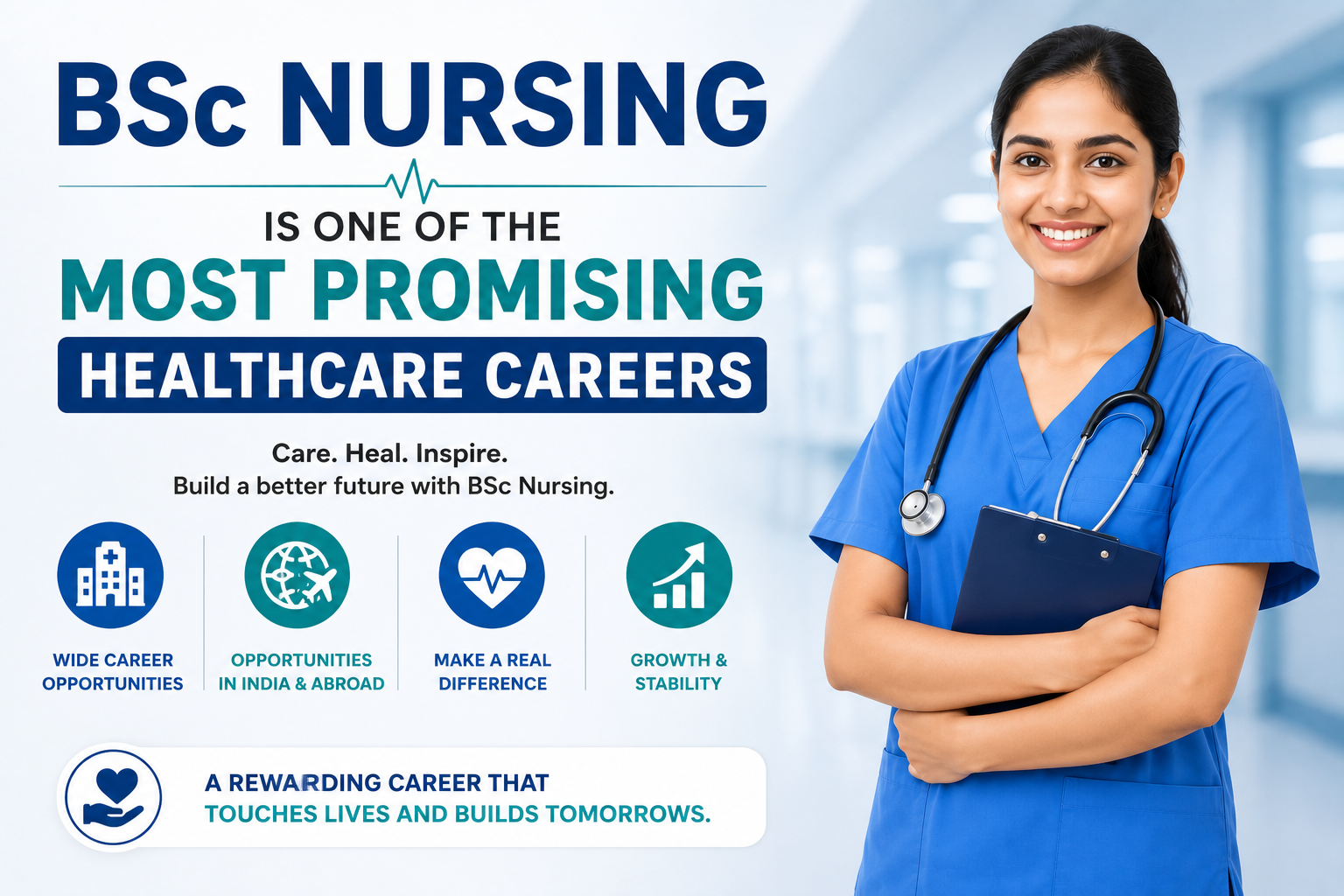
    Why BSc Nursing Is One of the Most Promising Healthcare Careers Today

    The healthcare industry is one of the fastest-growing sectors in the world, driven by increasing healthcare needs, advancements in medical technology, and a growing focus on patient care. As the demand for qualified healthcare professionals continues to rise, nursing has emerged as one of the most respected, rewarding, and secure career options for students. Among the various nursing programs available, the Bachelor of Science in Nursing (BSc Nursing) stands out as a comprehensive course that prepares students for a successful career in healthcare.

    Today, BSc Nursing is not just a degree—it is a gateway to diverse career opportunities, professional growth, and the chance to make a meaningful impact on people’s lives. Whether you aspire to work in hospitals, community healthcare, education, research, or international healthcare systems, a BSc Nursing degree can provide a strong foundation for a fulfilling career.

    Understanding BSc Nursing

    BSc Nursing is a four-year undergraduate program designed to equip students with the theoretical knowledge and practical skills required to provide high-quality patient care.

    The curriculum typically includes subjects such as:

    • Anatomy and Physiology
    • Microbiology
    • Nutrition and Dietetics
    • Medical-Surgical Nursing
    • Community Health Nursing
    • Child Health Nursing
    • Mental Health Nursing
    • Nursing Research and Statistics

    In addition to classroom learning, students receive extensive clinical training in hospitals and healthcare settings, allowing them to gain real-world experience before entering the profession.

    The Growing Demand for Nursing Professionals

    One of the primary reasons BSc Nursing is considered a promising career is the increasing demand for qualified nurses.

    Several factors contribute to this demand:

    Expanding Healthcare Infrastructure

    Governments and private healthcare providers are investing heavily in hospitals, clinics, and healthcare facilities to meet growing healthcare needs.

    Aging Population

    As life expectancy increases, there is a greater need for healthcare professionals to care for elderly patients and manage chronic health conditions.

    Increased Health Awareness

    People today are more conscious of their health and seek timely medical care, creating additional demand for nursing services.

    Global Shortage of Nurses

    Many countries face a shortage of skilled nursing professionals, creating excellent employment opportunities for qualified graduates.

    These factors ensure that nursing remains a stable and future-focused profession.

    A Profession That Makes a Difference

    Unlike many careers that focus solely on business outcomes, nursing directly impacts people’s lives.

    Nurses play a vital role in:

    • Providing patient care
    • Supporting recovery and rehabilitation
    • Educating patients and families
    • Promoting community health
    • Assisting during emergencies
    • Offering emotional support

    The opportunity to help individuals during some of the most challenging moments of their lives makes nursing a deeply rewarding profession.

    Diverse Career Opportunities

    A BSc Nursing degree opens doors to a wide range of career paths within the healthcare sector.

    Staff Nurse

    Staff nurses work in hospitals, clinics, and healthcare centers, providing direct patient care and coordinating with medical teams.

    Critical Care Nurse

    These professionals care for critically ill patients in intensive care units (ICUs) and specialized treatment centers.

    Pediatric Nurse

    Pediatric nurses focus on the healthcare needs of infants, children, and adolescents.

    Community Health Nurse

    Community health nurses work with communities to improve public health through education, prevention, and healthcare outreach programs.

    Operation Theatre Nurse

    They assist surgeons and healthcare teams during surgical procedures and ensure patient safety in operating rooms.

    Emergency Nurse

    Emergency nurses provide immediate care to patients experiencing accidents, trauma, and medical emergencies.

    The variety of roles available allows graduates to choose career paths that align with their interests and strengths.

    Opportunities for Higher Education and Specialization

    BSc Nursing serves as a stepping stone for advanced education and specialization.

    Graduates can pursue:

    Post Basic BSc Nursing

    A Post Basic BSc Nursing course helps diploma-qualified nurses upgrade their academic credentials and expand career opportunities.

    MSc Nursing

    Master’s programs allow nurses to specialize in areas such as:

    • Medical-Surgical Nursing
    • Pediatric Nursing
    • Psychiatric Nursing
    • Community Health Nursing
    • Obstetrics and Gynecological Nursing

    Research and Doctoral Studies

    Nurses interested in academics and healthcare innovation can pursue research-oriented careers and contribute to the advancement of nursing science.

    Specialization often leads to greater responsibilities, leadership roles, and higher earning potential.

    Excellent Employment Opportunities in India

    The healthcare industry in India continues to grow rapidly.

    BSc Nursing graduates can find employment in:

    • Government hospitals
    • Private hospitals
    • Nursing homes
    • Community health centers
    • Rehabilitation centers
    • Diagnostic facilities
    • Educational institutions
    • Non-governmental organizations (NGOs)

    The consistent demand for skilled nurses makes it easier for graduates to secure employment soon after completing their studies.

    Global Career Prospects

    One of the most attractive aspects of a nursing career is the opportunity to work internationally.

    Countries such as:

    • Canada
    • Australia
    • New Zealand
    • United Kingdom
    • Ireland
    • Germany
    • United States

    actively recruit qualified nursing professionals due to healthcare workforce shortages.

    International nursing careers offer:

    • Competitive salaries
    • Advanced healthcare environments
    • Professional development opportunities
    • Global exposure
    • Enhanced career growth

    With the necessary licensing requirements and certifications, Indian nursing graduates can build successful careers abroad.

    Development of Valuable Professional Skills

    A BSc Nursing program helps students develop skills that are highly valued in healthcare and beyond.

    These include:

    Communication Skills

    Nurses interact with patients, families, doctors, and healthcare teams daily.

    Critical Thinking

    Healthcare professionals must assess situations and make informed decisions quickly.

    Leadership Abilities

    Experienced nurses often supervise teams and coordinate patient care activities.

    Problem-Solving Skills

    Every patient presents unique challenges that require thoughtful and effective solutions.

    Emotional Intelligence

    Compassion, empathy, and emotional resilience are essential qualities in nursing practice.

    These skills contribute to both professional success and personal growth.

    Job Security and Career Stability

    Many industries experience fluctuations due to economic conditions, technological changes, or market trends. Healthcare, however, remains an essential service.

    The demand for qualified nurses continues regardless of economic circumstances because healthcare services are always needed.

    This provides nursing professionals with:

    • Long-term career stability
    • Consistent employment opportunities
    • Opportunities for advancement
    • Professional recognition

    Few professions offer the same level of security and societal value as nursing.

    The Role of Practical Training

    Clinical experience is a vital component of nursing education.

    Through hospital-based training, students learn how to:

    • Assess patients
    • Administer medications
    • Use medical equipment
    • Assist healthcare teams
    • Handle emergencies
    • Maintain patient records

    This practical exposure prepares students to transition smoothly into professional healthcare environments.

    Choosing the Right Nursing College

    A student’s success in nursing largely depends on the quality of education and training received.

    When selecting a Nursing College in Etawah, students should consider:

    • Experienced faculty
    • Clinical training facilities
    • Modern laboratories
    • Hospital affiliations
    • Placement support
    • Academic reputation

    Many students looking for the best college for BSc Nursing in Etawah prioritize institutions that combine theoretical learning with extensive practical exposure to ensure career readiness.

    Conclusion

    BSc Nursing has become one of the most promising healthcare careers because of its strong job demand, career stability, diverse opportunities, and ability to make a meaningful difference in people’s lives. From hospital care and community health to research, education, and international employment, nursing offers endless possibilities for professional growth and personal fulfillment. For students seeking quality education in basic BSc Nursing in Etawah or exploring a post basic BSc nursing course in Etawah, Ch. Sughar Singh Nursing & Paramedical College (CSSNP) provides comprehensive academic training, clinical exposure, and career-oriented learning to help future nurses build successful and rewarding healthcare careers.

  • Career Opportunities for BSc Nursing Graduates in India and Abroad

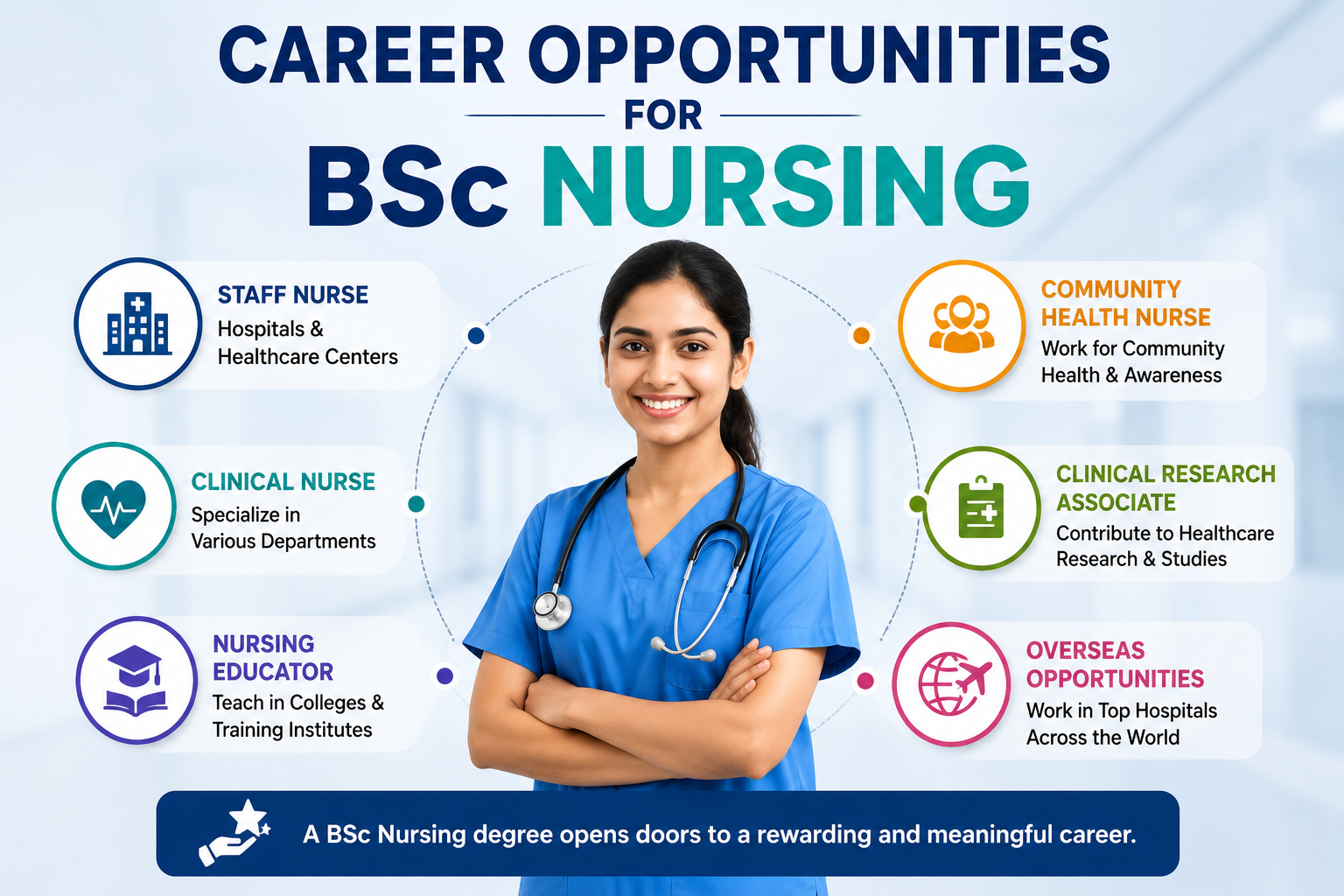
    Career Opportunities for BSc Nursing Graduates in India and Abroad

    Healthcare is one of the fastest-growing sectors worldwide, creating a continuous demand for skilled nursing professionals. Among the various healthcare courses available today, Bachelor of Science in Nursing (BSc Nursing) has emerged as one of the most rewarding and respected career choices for students who are passionate about patient care and community health. A BSc Nursing degree not only equips students with clinical knowledge and practical skills but also opens doors to a wide range of career opportunities both in India and abroad.

    With the increasing need for qualified healthcare professionals, nursing graduates enjoy excellent job prospects, career stability, and opportunities for professional growth. Whether you aspire to work in hospitals, educational institutions, research organizations, or international healthcare settings, a BSc Nursing degree can serve as a strong foundation for a successful and fulfilling career.

    Why Choose BSc Nursing?

    BSc Nursing is a professional undergraduate program that focuses on preparing students to provide quality healthcare services to individuals, families, and communities.

    The course typically covers subjects such as:

    • Anatomy and Physiology
    • Medical-Surgical Nursing
    • Community Health Nursing
    • Pediatric Nursing
    • Mental Health Nursing
    • Obstetrics and Gynecology Nursing
    • Nutrition and Dietetics
    • Nursing Research

    In addition to classroom learning, students receive extensive clinical training that helps them develop practical skills and confidence in real healthcare settings.

    Growing Demand for Nursing Professionals

    The healthcare industry continues to expand due to several factors, including:

    • Population growth
    • Increasing life expectancy
    • Rising healthcare awareness
    • Growth of private healthcare facilities
    • Expansion of healthcare infrastructure

    As a result, qualified nurses are in demand across hospitals, clinics, rehabilitation centers, nursing homes, and community healthcare organizations.

    The World Health Organization (WHO) and healthcare experts consistently emphasize the need for more trained nursing professionals to strengthen healthcare systems globally.

    Career Opportunities for BSc Nursing Graduates in India

    After completing BSc Nursing, graduates can explore a variety of career paths within the healthcare sector.

    Staff Nurse

    One of the most common career options is working as a staff nurse in hospitals and healthcare facilities.

    Responsibilities include:

    • Patient care
    • Medication administration
    • Monitoring patient conditions
    • Assisting doctors during treatment
    • Maintaining medical records

    Staff nurses play a crucial role in ensuring quality patient care and recovery.

    Nursing Officer

    Many government and private healthcare institutions recruit nursing officers for patient care and healthcare management responsibilities.

    These positions often provide excellent job security and career growth opportunities.

    Community Health Nurse

    Community health nurses work to improve public health by educating communities, conducting health awareness programs, and providing preventive healthcare services.

    This role is particularly important in rural and underserved areas.

    Intensive Care Unit (ICU) Nurse

    ICU nurses care for critically ill patients who require continuous monitoring and specialized treatment.

    This role demands advanced clinical skills and offers opportunities for specialization.

    Emergency and Trauma Nurse

    Emergency nurses provide immediate care to patients experiencing serious injuries, accidents, or medical emergencies.

    Their ability to work under pressure is essential for saving lives.

    Operation Theatre Nurse

    Operation theatre nurses assist surgeons and healthcare teams during surgical procedures.

    They are responsible for preparing equipment, maintaining sterile environments, and supporting surgical operations.

    Opportunities in Government Healthcare Sector

    Government healthcare institutions offer numerous career opportunities for nursing graduates.

    Popular employment sectors include:

    • Government hospitals
    • Primary health centers
    • Community health centers
    • Public health departments
    • Armed Forces Medical Services
    • Railways healthcare services

    Government nursing positions often provide stability, benefits, and opportunities for career advancement.

    Higher Education Options After BSc Nursing

    Many nursing graduates choose to continue their education to enhance their expertise and career prospects.

    Post Basic BSc Nursing

    Students who have completed diploma-level nursing programs may pursue a Post Basic BSc Nursing course to strengthen their qualifications and expand career opportunities.

    MSc Nursing

    A Master of Science in Nursing allows graduates to specialize in areas such as:

    • Medical-Surgical Nursing
    • Pediatric Nursing
    • Psychiatric Nursing
    • Community Health Nursing
    • Obstetrics and Gynecology Nursing

    Advanced qualifications can lead to leadership, teaching, and research positions.

    Nursing Research

    Nursing graduates interested in research can contribute to healthcare innovation, evidence-based practice, and policy development.

    Teaching and Academic Careers

    Experienced nursing professionals can pursue careers in education.

    Career opportunities include:

    • Nursing Tutor
    • Clinical Instructor
    • Nursing Lecturer
    • Academic Coordinator

    Teaching allows nursing professionals to contribute to the development of future healthcare workers.

    Career Opportunities Abroad

    One of the most attractive aspects of a nursing career is the opportunity to work internationally.

    Countries such as:

    • United Kingdom
    • Canada
    • Australia
    • New Zealand
    • Ireland
    • Germany
    • United States

    regularly recruit qualified nursing professionals due to ongoing healthcare workforce shortages.

    Benefits of Working Abroad

    International nursing careers offer several advantages:

    • Competitive salaries
    • Advanced healthcare facilities
    • Professional development opportunities
    • Exposure to global healthcare practices
    • Enhanced quality of life

    Many countries provide pathways for skilled nurses to secure long-term employment and career progression.

    Skills Required for a Successful Nursing Career

    While academic qualifications are important, successful nurses also possess certain personal and professional qualities.

    These include:

    Compassion and Empathy

    Providing emotional support is a vital aspect of patient care.

    Communication Skills

    Nurses interact with patients, families, and healthcare teams on a daily basis.

    Critical Thinking

    Quick decision-making is often necessary in healthcare environments.

    Teamwork

    Nurses work closely with doctors, therapists, and other healthcare professionals.

    Adaptability

    Healthcare settings are dynamic and require flexibility and resilience.

    Developing these skills can significantly improve career success and patient outcomes.

    Why Nursing Is a Future-Proof Career

    Healthcare remains an essential service regardless of economic conditions.

    Several factors contribute to the long-term stability of nursing careers:

    • Continuous demand for healthcare professionals
    • Growing elderly population
    • Expansion of healthcare services
    • Increased focus on preventive care
    • Technological advancements in healthcare

    As healthcare systems evolve, the need for qualified nursing professionals is expected to remain strong for decades to come.

    Choosing the Right Nursing College

    The quality of education and training significantly impacts career opportunities.

    Students should consider factors such as:

    • Experienced faculty
    • Modern laboratories
    • Clinical training facilities
    • Hospital affiliations
    • Placement support
    • Academic reputation

    Many students searching for a Nursing College in Etawah or the best college for BSc Nursing in Etawah prioritize institutions that provide practical exposure, comprehensive training, and career-oriented education.

    Conclusion

    A BSc Nursing degree offers diverse and rewarding career opportunities in India and across the globe. From patient care and hospital administration to research, education, and international healthcare careers, nursing graduates can pursue multiple pathways based on their interests and professional goals. With the healthcare industry continuing to expand, nursing remains one of the most stable and respected professions. For students seeking quality nursing education, Ch. Sughar Singh Nursing & Paramedical College (CSSNP) provides a strong academic foundation, practical clinical training, and comprehensive support to help future nursing professionals build successful and meaningful careers.

  • Which Nursing College in Etawah Provides the Best Career Opportunities?

    Which Nursing College in Etawah Provides the Best Career Opportunities?

    The healthcare industry is growing rapidly, creating a strong demand for qualified and skilled nursing professionals across hospitals, clinics, rehabilitation centers, and healthcare institutions. Nursing has become one of the most respected and rewarding career choices for students who want to build a stable profession while serving society.

    However, choosing the right nursing college is one of the most important decisions for aspiring healthcare professionals. A good nursing college not only provides quality education but also focuses on practical training, clinical exposure, personality development, and placement opportunities.

    Students searching for the best Nursing College in Etawah often look for institutions that offer modern infrastructure, experienced faculty, industry exposure, and strong career support. Among the recognized healthcare education institutes in the region, CSSNP has gained attention for its nursing and paramedical education programs, practical learning environment, and career-oriented training. 

    Why Choosing the Right Nursing College Matters

    Nursing is a profession that requires both academic knowledge and practical clinical skills. The quality of education and training students receive during their college years directly impacts their confidence, career growth, and future opportunities.

    A well-established nursing college helps students:

    • Gain practical healthcare experience
    • Build clinical and communication skills
    • Understand patient care and ethics
    • Prepare for hospital environments
    • Improve job readiness
    • Access better placement opportunities

    The right educational environment can shape students into skilled and compassionate healthcare professionals.

    Factors That Define the Best Nursing College

    When evaluating a Nursing College in Etawah, students and parents should consider several important factors.

    Academic Excellence

    A strong curriculum helps students develop a deep understanding of healthcare concepts, nursing procedures, and patient management.

    Clinical Exposure

    Hands-on hospital training is one of the most important aspects of nursing education. Real-world patient interaction helps students develop confidence and practical skills.

    Experienced Faculty

    Qualified teachers and healthcare professionals provide guidance, mentorship, and professional insights that support student growth.

    Infrastructure and Labs

    Modern nursing labs, digital libraries, and simulation facilities improve the learning experience and practical understanding. According to the official information available from CSSNP, the institute offers modern labs, digital learning support, and practical healthcare training facilities. 

    Placement Support

    Strong placement assistance and healthcare partnerships help students secure job opportunities after completing their education.

    Career Opportunities in Nursing

    The healthcare sector offers diverse career opportunities for nursing graduates in both India and abroad. Qualified nurses are always in demand because healthcare services are essential in every society.

    Hospital Nursing

    Most nursing graduates begin their careers in hospitals, where they assist doctors, monitor patients, and provide critical care.

    Intensive Care and Emergency Services

    Specialized nurses are needed in ICU, NICU, emergency departments, and trauma care units.

    Community Healthcare

    Community health nurses work in rural and urban healthcare programs, awareness campaigns, and preventive healthcare services.

    Academic and Teaching Careers

    Experienced nurses can pursue higher education and become nursing educators or clinical instructors.

    International Opportunities

    Countries such as the UK, Canada, Australia, and Gulf nations regularly recruit trained nursing professionals. Some nursing programs at CSSNP also highlight preparation for broader healthcare career opportunities and advanced professional roles. 

    Importance of Practical Training in Nursing

    Nursing is a practical profession that requires students to develop real-world healthcare experience. Clinical training allows students to apply theoretical concepts in patient care settings.

    Practical exposure helps students:

    • Improve patient handling skills
    • Understand medical equipment
    • Develop emergency response abilities
    • Build communication confidence
    • Learn teamwork and hospital protocols

    Institutions connected with hospitals and healthcare centers often provide stronger clinical learning opportunities.

    According to CSSNP’s official information, students receive hospital-based training and practical clinical exposure through affiliated healthcare facilities. 

    Nursing Courses That Build Strong Career Paths

    Different nursing programs are designed to meet varying educational goals and career aspirations.

    ANM (Auxiliary Nursing Midwifery)

    ANM programs focus on community healthcare, maternal care, and basic nursing support.

    GNM (General Nursing and Midwifery)

    GNM courses provide comprehensive nursing education and prepare students for hospital-based roles.

    B.Sc Nursing

    B.Sc Nursing is a professional undergraduate degree that combines advanced nursing theory with practical healthcare training. Official course information from CSSNP highlights clinical training, leadership development, and research-based nursing education within its B.Sc Nursing program. 

    Post Basic B.Sc Nursing

    This program helps GNM diploma holders upgrade their qualifications and pursue advanced nursing careers. 

    M.Sc Nursing

    Postgraduate nursing education opens opportunities in leadership, teaching, research, and advanced clinical practice. 

    Why Students Prefer Career-Oriented Nursing Colleges

    Today’s students are looking beyond classroom education. They prefer colleges that support overall professional development and long-term career growth.

    A career-focused nursing institute should provide:

    • Internship opportunities
    • Industry exposure
    • Personality development
    • Soft skill training
    • Career counseling
    • Placement support

    These additional learning opportunities help students become job-ready healthcare professionals.

    Importance of Recognition and Affiliation

    Students should always choose a recognized nursing college affiliated with approved healthcare education authorities and universities.

    Official recognition ensures:

    • Standardized education quality
    • Valid nursing qualifications
    • Eligibility for licensing and employment
    • Access to higher education opportunities

    According to its official website, CSSNP is affiliated with recognized healthcare education authorities and universities in Uttar Pradesh. 

    Skills Students Develop During Nursing Education

    Nursing education focuses on developing both technical and interpersonal skills.

    Important skills include:

    • Patient care
    • Communication
    • Critical thinking
    • Emergency response
    • Leadership
    • Teamwork
    • Medical ethics
    • Time management

    These skills help students succeed in demanding healthcare environments.

    Growing Demand for Nurses in India

    India’s healthcare infrastructure continues to expand rapidly, increasing demand for trained nursing professionals in:

    • Hospitals
    • Clinics
    • Rehabilitation centers
    • Elderly care facilities
    • Diagnostic centers
    • Community health programs

    The healthcare sector offers long-term job stability and career growth opportunities for qualified nurses.

    Why Location and Learning Environment Matter

    Students often perform better in institutions that provide a supportive and disciplined learning atmosphere. Colleges located in developing educational hubs like Etawah are increasingly attracting students looking for affordable and quality healthcare education closer to home.

    A good campus environment supports:

    • Focused learning
    • Student safety
    • Academic discipline
    • Personal development
    • Better peer interaction

    Final Thoughts

    Choosing the right nursing college is a major step toward building a successful healthcare career. Students should focus on institutions that offer quality education, practical exposure, experienced faculty, modern infrastructure, and strong career opportunities.For students searching for a trusted Nursing College in Etawah, CSSNP offers nursing and paramedical programs designed to support academic excellence, clinical training, and professional growth. With practical healthcare exposure, modern learning facilities, and career-focused education, CSSNP continues to prepare aspiring healthcare professionals for rewarding opportunities in the nursing and medical field.